

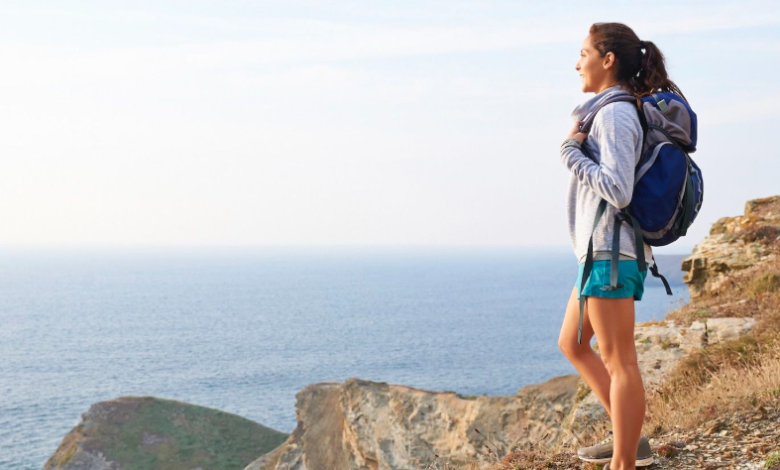
Backpacking can be one of the most rewarding ways to travel. You carry less, move more freely, and experience places at a slower pace. But a good backpacking trip needs some planning. You need the right gear, a simple route, a realistic budget, and enough flexibility to handle surprises.
Backpacking tips cwbiancavoyage from conversationswithbianca points toward the kind of practical travel advice that helps people prepare before they leave home. Whether you are planning your first backpacking trip or looking for ways to improve your travel style, simple habits can make a big difference.
This guide covers useful backpacking tips for packing, budgeting, planning, safety, food, transport, accommodation, and daily travel. The goal is simple: travel light, stay prepared, and enjoy the journey.
What Makes Backpacking Different?
Backpacking is not the same as a traditional holiday. You may change locations often. You may use buses, trains, shared rides, or local transport. You might stay in hostels, guesthouses, campsites, or budget hotels.
You also carry most of what you need on your back.
That changes how you should prepare. A heavy suitcase can become a major problem when you walk through busy stations or climb stairs. A large collection of clothes can take up space without adding much value.
Good backpackers focus on what they need rather than what they might need.
A useful rule is this: pack for the trip you are actually taking, not every possible situation.
Start With a Simple Travel Plan
You do not need to plan every minute. In fact, an overplanned trip can feel stressful.
Start with the basics:
- Choose your main destination.
- Decide how long you want to travel.
- Set a daily budget.
- Research transport options.
- Check entry and visa rules when needed.
- Learn about the local weather.
- Pick a few places you really want to see.
- Leave some free time in your schedule.
A flexible plan gives you room to change direction. You may discover a small town you love. You may meet travelers who recommend another destination. You may also need an extra rest day.
Keep your main route clear, but leave space for unexpected moments.
Pack Light From the Beginning
One of the most important backpacking tips is to avoid overpacking.
Many new travelers pack too many clothes. They also carry duplicate shoes, large toiletries, extra electronics, and items they never use.
Instead, choose versatile clothing. A shirt that works for walking can also work for a casual dinner. Lightweight trousers can often serve several purposes.
Try to create a small travel wardrobe.
For example:
- 3–5 shirts
- 2–3 pairs of trousers or shorts
- 5–7 pairs of underwear
- 4–6 pairs of socks
- One light jacket
- Comfortable walking shoes
- Sleepwear
- Basic swimwear when needed
- A small laundry bag
You can wash clothes during the trip. This saves space and keeps your backpack manageable.
Choose the Right Backpack
Your backpack should fit your body well. Size matters, but comfort matters more.
A huge backpack may look useful at home. It can feel very different after several hours of walking.
Look for features such as:
- Adjustable shoulder straps
- A comfortable hip belt
- Good back support
- Strong zippers
- Several useful compartments
- Water-resistant material
- Easy access to important items
Before your trip, load the bag and walk around with it. This test can reveal problems before you leave.
If the backpack feels uncomfortable after ten minutes, imagine carrying it for two hours.
Keep Important Items Easy to Reach
Good organization saves time.
Keep your passport, phone, wallet, travel documents, water bottle, and basic medicine in places that you can reach quickly.
You can also use packing cubes or small bags to separate clothing, electronics, and toiletries.
A simple system works well:
Top section: items you use often.
Middle section: clothing and larger items.
Bottom section: items you rarely need during the day.
Avoid putting everything into one large compartment. You may need one small item and end up unpacking the entire bag.
Build a Realistic Backpacking Budget
Money problems can ruin a trip quickly. A simple budget can prevent that.
Start with major costs:
- Transport
- Accommodation
- Food
- Activities
- Travel insurance
- Entry fees
- Local transport
- Emergency money
Then add a buffer for unexpected expenses.
You might miss a bus. Your accommodation may cost more than expected. You may need medicine or a last-minute room.
A small emergency fund gives you peace of mind.
Do not create a budget that leaves no room for enjoyment. If you spend too little every day, you may miss experiences that matter.
The goal is not to spend as little as possible. The goal is to spend wisely.
Track Your Spending
You do not need a complicated financial system.
Write down your daily spending or use a simple budgeting app. Check your expenses every few days.
Look for patterns.
Maybe accommodation costs less than expected, but food costs more. Maybe local transport takes a larger part of your budget than planned.
Once you understand your spending, you can adjust.
For example, you might cook breakfast instead of buying it every morning. You can then use the savings for a special meal or activity.
Research Accommodation Before You Arrive
Backpackers have many accommodation choices. Hostels often provide affordable rooms and social spaces. Guesthouses can offer a more local experience. Budget hotels may provide extra privacy.
Read recent reviews before booking.
Pay attention to:
- Location
- Cleanliness
- Security
- Noise
- Wi-Fi
- Transport access
- Check-in rules
- Extra fees
A cheap room far outside the city may cost more after transport expenses.
Location can matter more than a small difference in room price.
Do Not Book Every Night Too Early
This tip depends on your destination and travel season.
For popular locations, booking ahead can protect you from high prices or sold-out rooms. During quieter periods, flexible bookings can give you more freedom.
If you plan a long trip, consider booking the first few nights before arrival. Once you understand the area, you can decide where to stay next.
This approach can reduce stress while keeping your route flexible.
Learn Basic Local Transport
Public transport can save money and offer a better view of everyday life.
Before using it, learn how the system works. Check ticket rules, operating hours, payment methods, and major routes.
Keep a backup option in mind.
If a bus stops running, know whether you can use a train, taxi, or rideshare service.
Offline maps can also help when you lose mobile coverage.
Eat Like a Traveler, Not a Tourist
Food is a major part of backpacking.
You do not need to eat at expensive tourist restaurants every day. Local markets, small cafés, street-food areas, and family-run restaurants can offer excellent meals at better prices.
However, use common sense with food safety.
Choose busy places with good customer turnover. Be careful with food that has been sitting out for long periods. Drink safe water when local conditions require it.
Also carry a few simple snacks. Nuts, fruit, crackers, or energy bars can help when you are between meals.
Stay Hydrated
Walking all day can quickly lead to dehydration, especially in hot climates.
Carry a reusable water bottle when practical. Research whether tap water is safe to drink in your destination.
If you spend long hours outdoors, consider the weather and your activity level.
Do not wait until you feel exhausted to drink water.
Protect Your Important Documents
Your passport and travel documents are among your most valuable belongings.
Keep digital copies of important documents in a secure location. You may also keep a printed backup.
Useful documents can include:
- Passport
- Visa or entry documents
- Travel insurance details
- Emergency contacts
- Accommodation information
- Transport bookings
- Important medical information
Do not keep every copy in the same physical location.
Think About Personal Safety
Backpacking does not have to feel dangerous, but awareness matters.
Research your destination before you go. Learn which areas require more caution. Understand local laws and customs.
At the same time, avoid letting fear control your trip.
Simple habits help:
- Keep your valuables secure.
- Avoid showing large amounts of cash.
- Watch your belongings in crowded places.
- Share your basic itinerary with someone you trust.
- Keep your phone charged.
- Trust your instincts.
- Avoid risky situations when you are tired or impaired.
You do not need to be paranoid. You need to stay aware.
Use Travel Insurance
Travel insurance can protect you from costs linked to emergencies, cancellations, lost luggage, and other covered problems.
Read the policy before buying it.
Check what it covers and what it excludes. If you plan activities such as hiking, diving, skiing, or motorbike travel, confirm that the policy covers them.
Insurance may feel unnecessary when everything goes well. It can become very valuable when something goes wrong.
Do Not Try to See Everything
One common backpacking mistake is rushing.
Travelers often create long lists of destinations and try to visit each one. The result can become a series of bus rides, airport waits, check-ins, and rushed sightseeing.
Slow down.
Spend two or three days in one place when possible. Sit in a café. Walk without a strict destination. Visit a local market. Talk to people.
These simple moments often become some of the best memories.
Learn a Few Local Words
You do not need to become fluent in every language you encounter.
Learn basic words and phrases such as:
- Hello
- Thank you
- Please
- Yes
- No
- Excuse me
- How much?
- Where is…?
- Help
Making an effort can improve communication. It can also show respect for local people and culture.
Keep Electronics Simple
Technology helps travelers, but too many devices create extra weight.
A phone can handle maps, bookings, photos, communication, entertainment, and travel information.
You may only need:
- Smartphone
- Charging cable
- Power adapter
- Power bank
- Earphones
- Optional camera
Protect electronics from rain and accidental damage.
Keep backup copies of important photos and documents when possible.
Prepare for Bad Weather
Weather can change your plans.
Check the forecast before major travel days. Carry a light rain layer when appropriate. Protect electronics and documents from water.
If conditions become dangerous, change your plan.
Flexibility is an important backpacking skill.
Missing one hike because of bad weather is better than taking an unnecessary risk.
Take Care of Your Feet
Backpacking often means walking more than you expect.
Comfortable shoes can make a huge difference.
Break in your shoes before the trip. Avoid wearing brand-new footwear on your first long travel day.
Pack a few useful foot-care items if needed. Blisters can turn a fun trip into a painful one.
Rest when your body needs it.
Make Time for Rest
Travel can be tiring even when you enjoy it.
A full day of walking followed by a late-night bus can leave you exhausted. After several days, the fatigue can build.
Schedule slower days.
Sleep enough. Eat properly. Drink water. Sit down.
Rest is not wasted travel time. It helps you enjoy the next part of the trip.
Respect Local Culture
Every destination has its own customs.
Learn basic rules before arriving. Dress appropriately when required. Ask before taking photos of people. Respect religious and cultural spaces.
Do not assume that your normal habits apply everywhere.
A respectful traveler observes first and acts second.
Keep an Open Mind
Backpacking rarely goes exactly as planned.
A train may be late. A hostel may be noisy. A restaurant may disappoint you. A planned activity may close.
Try to adapt.
Some of the best travel stories begin with a problem that eventually becomes a funny memory.
The key is to solve problems calmly instead of letting them ruin the entire trip.
A Simple Backpacking Checklist
Before leaving home, review the basics:
- Passport and required documents
- Money and backup payment method
- Travel insurance information
- Phone and charger
- Power bank
- Suitable backpack
- Comfortable shoes
- Weather-appropriate clothes
- Toiletries
- Basic first-aid supplies
- Reusable water bottle
- Offline maps
- Accommodation details
- Emergency contacts
Do not add items just because you have extra space.
Empty space can be useful.
Common Backpacking Mistakes to Avoid
Even experienced travelers make mistakes. New backpackers can avoid many of them with a little preparation.
Overpacking
A heavy backpack makes every travel day harder. Pack less and wash clothes when needed.
Overplanning
A strict schedule leaves little room for discovery. Plan the important parts and keep some flexibility.
Ignoring Rest
Constant movement can lead to exhaustion. Add recovery time.
Spending Without Tracking
Small purchases add up. Check your spending regularly.
Forgetting Backup Plans
Transport problems happen. Keep alternative options in mind.
Choosing Price Over Location
The cheapest room may not offer the best value. Consider transport costs and travel time.
How to Make Your Backpacking Trip More Enjoyable
The best backpacking experience is not always the one with the most destinations.
Focus on quality.
Choose places that interest you. Spend time with people you meet. Try local food. Walk through neighborhoods. Learn something new.
Take photos, but do not spend the whole trip looking through a screen.
Keep a small travel journal if you enjoy writing. Record places, meals, conversations, and unexpected moments.
Years later, these small details can bring the journey back to life.
Final Thoughts on Backpacking Tips CWBiancaVoyage From ConversationsWithBianca
The best backpacking tips cwbiancavoyage from conversationswithbianca can be understood as a practical approach to smarter travel: pack light, plan wisely, protect your money and documents, stay aware, and leave room for adventure.
You do not need expensive equipment to become a good backpacker. You need preparation and common sense.
Start with a manageable trip. Learn from each journey. Adjust your packing and budget after every experience.
Most importantly, remember why you are traveling.
Backpacking gives you the chance to see new places at your own pace. It can challenge you, teach you, and create memories that last for years. With the right preparation, you can spend less time worrying about logistics and more time enjoying the road.
Travel light. Stay flexible. Stay curious. Let the journey become part of the adventure.
